Difference between receptive language and expressive language

One of the first things I explain to parents when I conduct a language evaluation is the difference between Receptive Language and Expressive Language. Do you know the difference between the two? Don’t worry, that’s the point of this blog, let’s dive in.

Photo by Pixabay on Pexels.com

Expressive language refers to the language used for communication. It is the ability to physically express oneself. So put simply it is the individual’s ability to gather their thoughts and compile them into a cohesive message in the form of language. Expressive language skills involve the use of grammar, vocabulary, and sentence structure to convey meaning. This can include speaking, writing, and using sign language or other forms of communication. For example, a child might use expressive language when they say “I want a cookie” to request a cookie, or when they write a paragraph in an essay explaining a concept. A person with an expressive language impairment would have difficulty trying to communicate their wants and needs, potentially in any format. 

Receptive language refers to the ability to understand and interpret language that is spoken or written. This includes the ability to follow directions, understand the meaning

Photo by Christina Morillo on Pexels.com

of words and sentences, and identify the main idea of a passage. For example, a child might use receptive language when they follow the instructions “Please pick up your toys and put them in the toy box” or when they read a passage and answer questions about its content. A person with an receptive language impairment may have difficulty simply understanding what is being said to them, either at a basic or complex level, or under certain parameters.

Its important to note that expressive and receptive language skills are closely related and will often develop together. However, one can be more impaired than the other. Typically the receptive language will develop prior to expressive (i.e. they understand more than they are initially able to communicate.) Ultimately, both are vital to effectively communicate. 

Examples of expressive language skills include:
-Speaking in full sentences
-Using a wide range of vocabulary
-Using proper grammar and sentence structure
-Asking questions
-Making statements
-Making requests

Examples of receptive language skills include:
-Following directions
-Understanding the meaning of words and sentences
-Identifying the main idea of a passage
-Understanding the relationships between words (e.g., synonyms, antonyms)
-Understanding the meaning of nonverbal cues, such as facial expressions and tone of voice
-Understanding the meaning of idioms and figurative language

It’s important to realize impairments in expressive or receptive language can affect an individual’s social interactions, learning, and overall quality of life. If you are concerned an individual is having difficulty with expressive or receptive language, feel free to reach out with further questions, as they may benefit from direct Speech and Language services.
Early language Development: A few things to focus on.

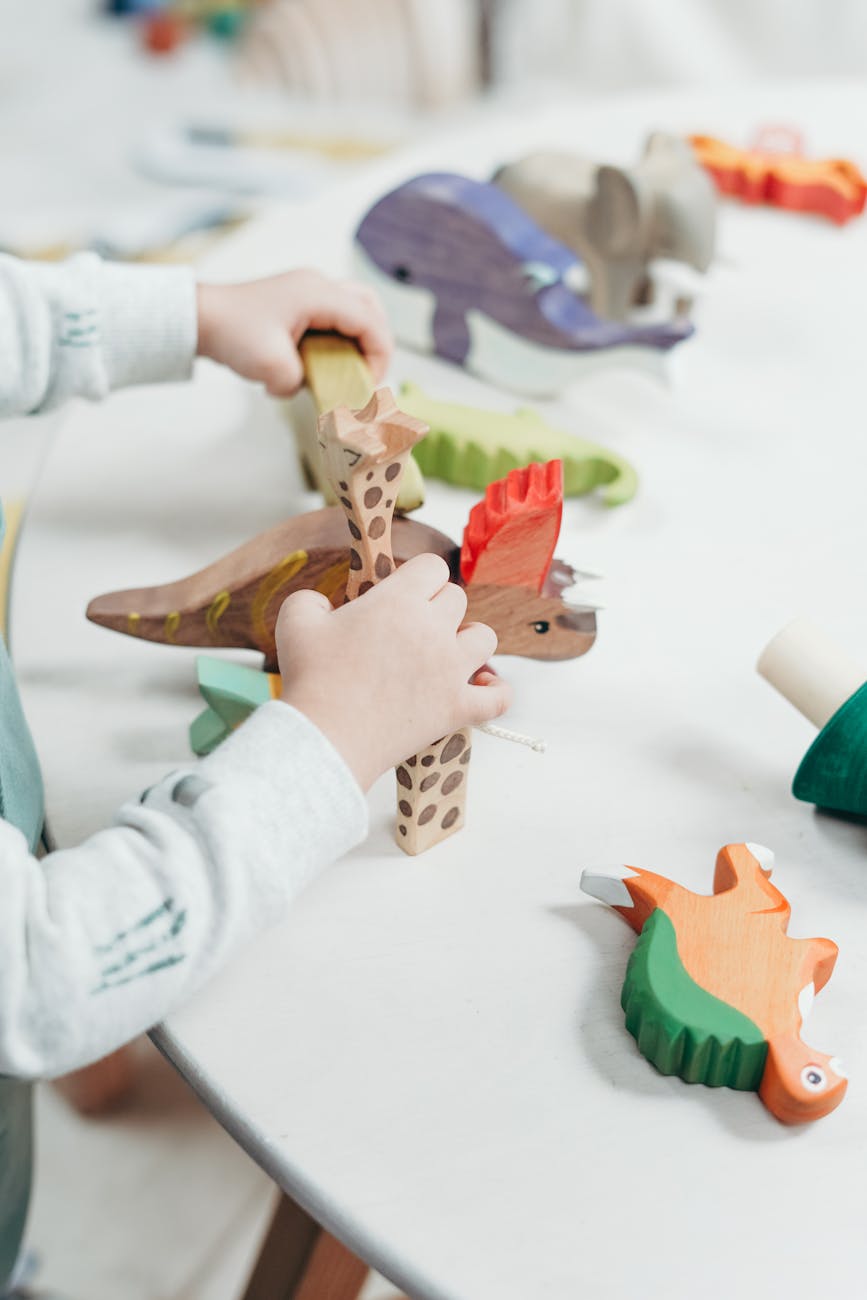
Are you hoping to bump up your little one’s verbal skill, but don’t quite know what to do? Don’t worry we’ve got 3 easy tips to help.

Photo by cottonbro studio on Pexels.com

Early language development is a critical aspect of a child’s overall development. It not only helps them communicate and express their needs and wants, but it also plays a role in their cognitive, social, and emotional development. As a parent, it’s natural to want to do everything you can to support your child’s language development. In this blog post, we will discuss some key areas that you should focus on and why they are important for early language development.

Let’s start with: functional language. This refers to the words and/or phrases that a child uses to communicate their basic needs, such as “drink,” “eat,” “sleep,” and “potty.” These words are essential for children to be able to express themselves and for caregivers to understand their needs. You also want to think of what is functional for your child and your family. For example if your family often goes outside and swings on a play set, you may want to add “out” and “swing”. If you have food in a closed pantry, you may want to add “open”. When talking about functional language you want to look at your child’s world and at its simplest form, what words would help them navigate their life while reducing frustration. Don’t be shy to share this with your therapist either; I always ask and welcome parents to add to our word list. Ultimately my job is to increase their communication, improve home life, and reduce frustration. And don’t forget how effective modeling and encouraging the use of functional language can be. You can achieved this by using it yourself and reinforcing its use when your child uses it.

Next we have: Nonverbal language, or body language: Communication is communication, it doesn’t matter the mode and we want to celebrate and encourage this. This includes gestures, facial expressions, and eye contact. Nonverbal language is a crucial way for children to communicate before they have developed verbal language skills. It’s important to pay attention to your child’s nonverbal cues and respond appropriately. For example, if your child points to something they want, it’s important to follow their gaze and provide them with what they are indicating they want. I have had parents worry that if they encourage non-verbal communication their child will never speak. And, while there are children who can be stubborn, more frequently what I have encountered is when we reduce the pressure of verbal communication and provide them access to the world, their verbal expression starts to come more naturally.

Photo by RDNE Stock project on Pexels.com

Our last point: Narrating actions and activities to your child. This is also an important aspect of language development. This means describing what you and your child are doing as you go about your daily routines. For example you might say, “We are getting ready to go outside. First, we are putting on our coats. Now, we are putting on our shoes. Let’s go!” This helps your child learn new words and understand the relationships between objects and actions. It also helps them develop their narrative skills, which are important for both oral and written language development.

So, if you want to continue bumping up your little one’s language skills you’re focusing on (1) Functional language, (2) Non-verbal language, and (3) Narrating. You can do it.

And remember if you aren’t sure and looking for some guidance or have concerns for your little one, feel free to reach out. We serve the Tampa Bay area in person and further virtually.